
Market Intelligence · Supply Chain
The crisis is reshaping Kenya’s economy. Here is what that means for your business — and how we are navigating it together.
Since early March we have written about the Hormuz closure, the Gulf supply disruption, and rising input costs. This post is different. It is not about our costs — it is about yours. The Middle East conflict is creating a specific set of strategic challenges for businesses that buy packaging in Kenya, and we want to share how we are thinking about each of them and what we are doing to help our customers manage through a period that has no clear end date.
What the Crisis Is Doing to Kenya’s Economy — and Your Customers
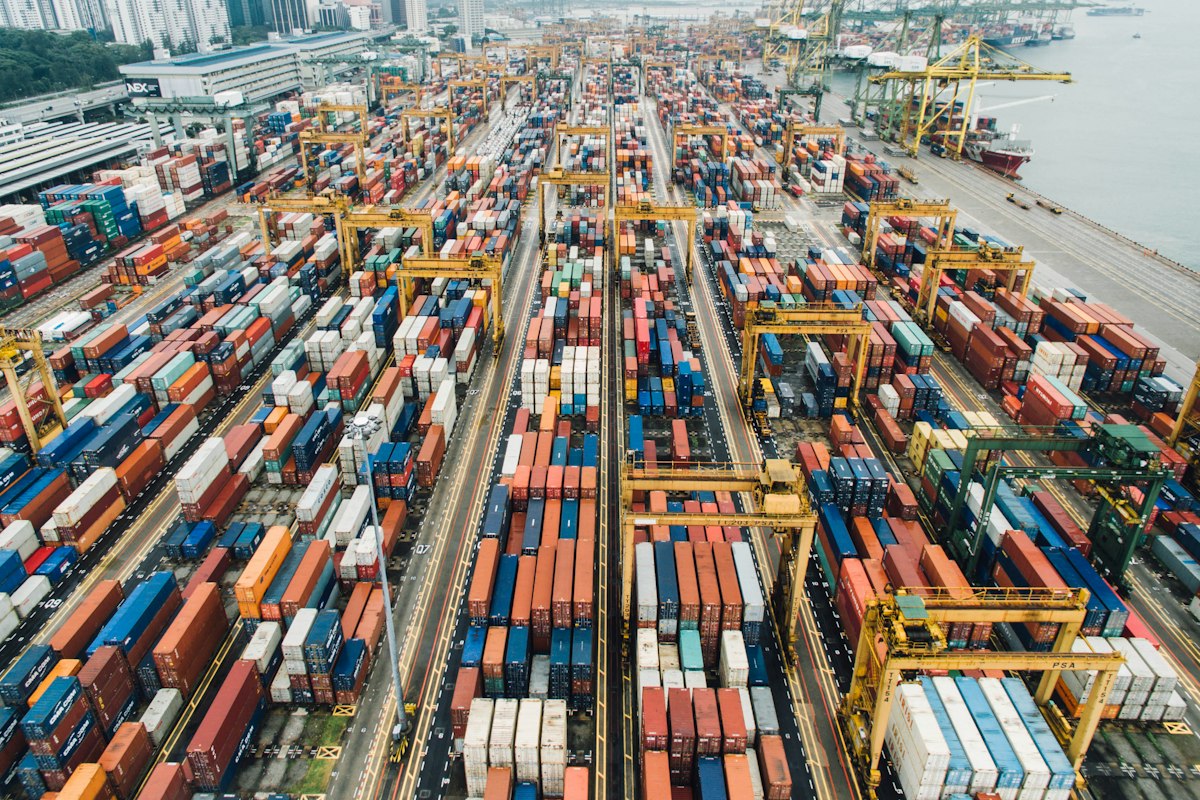
The disruption is not arriving as a single shock — it is arriving through multiple channels simultaneously, and the compounding effect is what makes this period genuinely difficult to plan around. AFP reported this week that between 6,000 and 8,000 tonnes of Kenyan tea — worth approximately $24 million — is stuck at Mombasa port, unable to ship to Middle East and Pakistan buyers. Tea sales are down nearly 20%. Kenyan horticulture and meat exports are absorbing comparable weekly losses. Over 400,000 Kenyans working in Gulf states are facing employment uncertainty, and the remittances they send home — a critical source of household income and foreign exchange — are under threat.
What this means for businesses in Kenya’s domestic economy is straightforward: your end customers are being squeezed from multiple directions at once. Consumer spending is contracting. Export revenues are falling. Working capital is tighter. If you are in FMCG, milling, agriculture, or distribution, the demand picture for Q2 and Q3 is genuinely less predictable than it was six weeks ago. Planning your packaging requirements in that environment requires a different approach than it did in January.
| Disruption Channel | What Is Happening | Impact on Your Business |
|---|---|---|
| Export disruption | Tea, horticulture, meat stuck at Mombasa or rerouted | Revenue loss, cash flow pressure on exporters |
| Remittance squeeze | 400,000+ Kenyans in Gulf facing uncertainty | Household income drops → consumer spending falls |
| Fuel & energy costs | Crude above $100, EPRA adjustments ongoing | Transport, manufacturing, cold chain all more expensive |
| KES depreciation | Shilling under sustained pressure | All USD-denominated imports cost more in shillings |
| Working capital pressure | Higher costs across the board, tighter margins | Less room for large forward commitments or buffer stock |
Three Challenges We Are Actively Helping Customers Navigate
When your own demand picture is uncertain, over-ordering packaging ties up working capital you may need elsewhere. We are actively helping customers plan around their actual confirmed volumes — not optimistic forecasts that may not hold. If your order patterns need to flex over the next quarter, the conversation to have is now, before you are locked into a commitment that no longer fits your business reality.
Availability matters more than price right now. Our sourcing team is managing resin procurement across Gulf, Indian, and Southeast Asian origins specifically to maintain supply as individual routes remain disrupted. We are carrying the rerouting, the lead time extensions, and the alternative supplier relationships on our side — so that your production schedule does not absorb the uncertainty that exists in our supply chain. If you need confidence that your packaging will be there in May and June, that conversation is worth having now.
The businesses that will come through this period well are those making decisions based on the environment as it actually is — not waiting for it to return to where it was. We are monitoring global PP markets, Kenya’s supply chain, and the broader economic picture closely and sharing what we see through our blog and directly with customers. If better market intelligence would help you plan your Q2 and Q3 packaging requirements, we are happy to share what we know.
A Note on Pricing
Our April 2026 price schedule, effective 30 March, reflects a cumulative increase of approximately 50% in our input costs since January — driven by the same global disruption described above. We have published a detailed breakdown of what is driving those costs in a separate post. What we want to say here is simply this: we are not looking to capitalise on this moment. We are focused on keeping our customers supplied, our relationships intact, and our communication transparent through a period that will eventually normalise. If you need to understand what current pricing looks like for your specific products before making any decisions, call us first.
Established relationships with Gulf, Indian, and Southeast Asian producers give us sourcing flexibility that single-origin buyers do not have in a disrupted market.
Customers who share their Q2 and Q3 requirements early allow us to plan raw material procurement around their needs — reducing delivery risk for both sides.
We would rather discuss your requirements before an order is placed than discover a gap mid-production. If the current environment creates a planning challenge, talk to us — we can work through it together.
Every position we take is grounded in documented market data. We share our reasoning, not just our decisions — because informed customers make better decisions for both of us.
The Hormuz disruption is unresolved. Kenya’s export economy is absorbing real losses. Consumer demand is contracting. In this environment, the businesses that will come through strongest are those with reliable supplier relationships, clear forward visibility on their packaging, and the working capital to plan ahead rather than react. We are focused on being that reliable supplier. The earlier the Q2 and Q3 conversation happens, the more options we have to manage it well together.
Let’s Plan the Next Few Months Together
Tell us your Q2 and Q3 packaging requirements. We will give you a clear supply plan, honest lead time commitments, and market intelligence you can plan around.
Sources: AFP / France 24, “Mideast war leaves 6,000 tonnes of tea stuck at Kenya port” (27 March 2026); DW, “Kenya braces as Middle East conflict escalates” (4 March 2026); ChemOrbis Weekly Analysis — China PP, Southeast Asia PP, Türkiye PP (26 March 2026). For detailed background: Hormuz Crisis: Packaging Costs · The Wider Kenya Economy · Kenya’s Fuel Crisis