Pricing Update · Market Intelligence
The cost of packaging has gone up. Here is exactly why — and what we are doing about it.
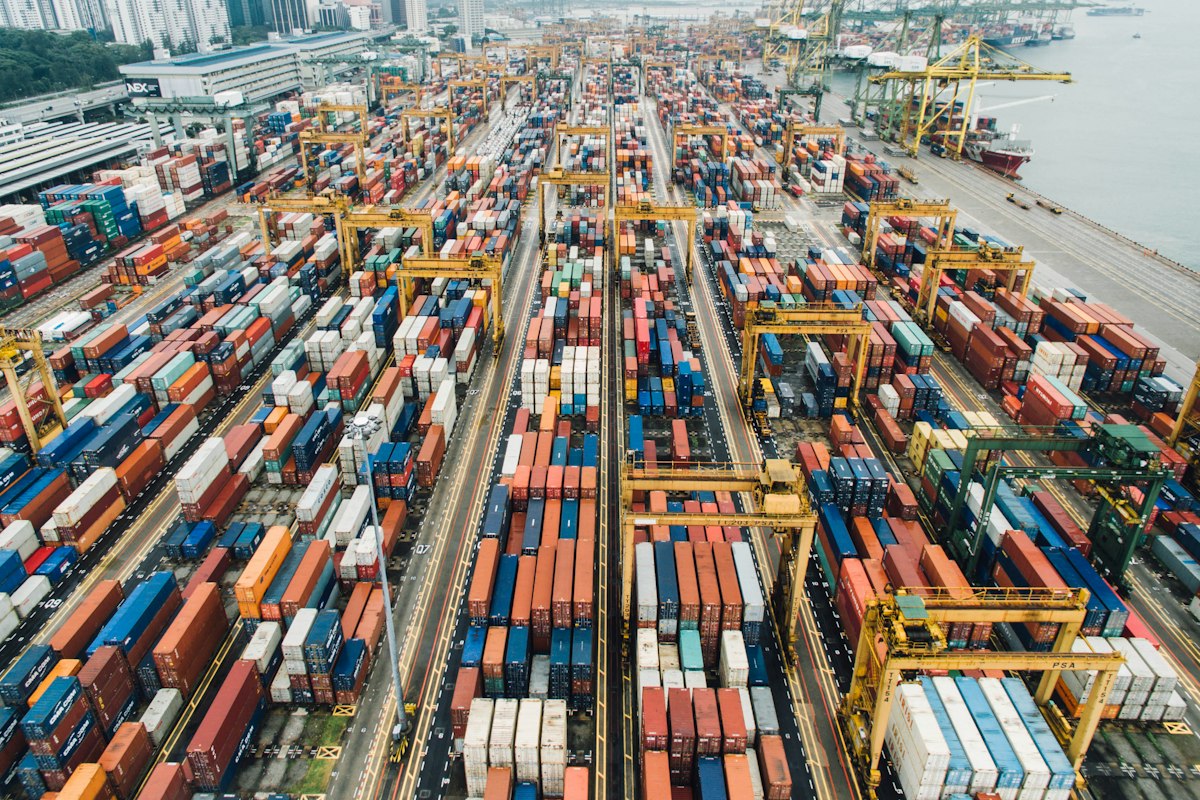
We know you are managing your own cost pressures right now. The news coming out of Mombasa tells part of the story — 6,000 to 8,000 tonnes of Kenyan tea stuck at port, tea sales down nearly 20%, Kenya’s horticultural and meat exporters absorbing millions in weekly losses. If you are in food, agriculture, FMCG, or distribution, the Middle East conflict is hitting your business from multiple directions simultaneously. We are not immune to the same forces. Our April 2026 price schedule, effective 30 March, reflects input costs that have risen approximately 50% since January. This post explains what is driving that — transparently — and how we are trying to manage it in a way that works for both of us.
What Has Actually Happened to Our Costs Since January
The ~50% increase in our April pricing is not a margin expansion. It is the cumulative result of cost increases across every major input in our manufacturing process, driven by the same global disruption affecting your business. Polypropylene resin — our primary raw material — is manufactured from propylene, derived from naphtha, cracked from crude oil. When the Strait of Hormuz effectively closed on 2 March and crude surged above $100 per barrel, that cost transmission moved through the entire value chain within weeks. Gulf PP resin suppliers — our primary source — either suspended offers or repriced sharply. Freight surcharges for war-risk on Gulf routes added further cost to every tonne of resin we land at Mombasa. Kenya’s own EPRA fuel adjustments then added to our manufacturing and delivery overhead. The shilling’s depreciation against the dollar amplified everything denominated in USD.
| Input Cost Driver | Direction Since Jan 2026 | How It Reaches Your Bag |
|---|---|---|
| PP resin (Gulf & India origins) | ▲ Sharply higher — repriced or suspended | Largest single cost — directly in every bag |
| Freight & war-risk surcharges | ▲ Up significantly on Gulf routes | Increases landed cost of every tonne of resin |
| Kenya fuel prices (EPRA) | ▲ Upward adjustments ongoing | Extrusion, weaving, printing, delivery |
| KES / USD exchange rate | ▼ Shilling under pressure | Amplifies every USD-denominated input above |
None of these are within our control, and none are unique to Adpack. Every packaging manufacturer sourcing PP resin for the East African market is working with the same cost structure right now. The April price schedule reflects what a bag genuinely costs to manufacture today — not what we would like it to cost, and not a negotiating opener.
The Broader Picture: Why Your Business Is Feeling This Too
The conflict’s reach into the Kenyan economy extends well beyond packaging. AFP reported this week that between 6,000 and 8,000 tonnes of Kenyan tea — valued at approximately $24 million — is currently stuck at Mombasa port, unable to ship to its Middle East and Pakistan buyers. Tea sales have fallen nearly 20% in recent weeks, costing the sector an estimated $8 million per week. Kenyan horticulture and meat exports are absorbing comparable losses. For businesses that depend on a functioning export economy — and on customers who can afford to buy — the conflict is creating pressure from multiple directions simultaneously.
This context matters for how we think about pricing conversations. We are not operating in a vacuum where one party absorbs a shock and the other is unaffected. Kenya’s economy is absorbing this across every sector, and the businesses that will come through it best are those that manage costs transparently, communicate early, and make decisions based on the environment as it actually is — rather than waiting for it to return to where it was.
We do not apply retroactive changes to confirmed, deposited orders. Where we hold committed stock at prior cost, we honour those commitments in full. Our April pricing applies to new orders placed from 30 March. If you need to understand the specific numbers for your products before committing, call us — we would rather have that conversation early than have it become a problem mid-order.
How We Are Managing Supply in a Constrained Market
Resin is available — but it requires active management to secure the right volumes at the right time. Our sourcing team is working across multiple origins, including our established relationships with Gulf producers and alternative suppliers in India and Southeast Asia, to maintain supply continuity. The practical reality is that when we plan our production schedule, confirmed orders with clear pricing take priority over provisional bookings. This is not a penalty system — it is simply how manufacturing capacity gets allocated when inputs are constrained. The more visibility we have on your actual requirements, the better we can plan around them.
We hold established relationships with Gulf, Indian, and Southeast Asian PP resin producers, giving us sourcing flexibility that a single-origin buyer does not have.
Customers who share their Q2 and Q3 forward requirements early allow us to plan raw material procurement around their needs — reducing delivery risk for both sides.
We would rather discuss pricing before an order is placed than discover a gap mid-production. If the April numbers create a challenge for your planning, talk to us — we can work through it together.
Every price movement we quote is grounded in documented market data. We share our reasoning, not just our numbers — because informed customers make better decisions for both of us.
What We Are Asking — and Why It Matters
We are asking customers to engage with April pricing on their Q2 forward requirements — at levels that reflect today’s documented input costs. We understand that represents a significant step up from where prices were in January. We also know you have your own customers, your own margins, and your own pressures to manage. What we can offer in return is supply reliability, honest communication, and a manufacturing partner who is doing everything in its power to maintain continuity in a market where continuity is genuinely difficult to guarantee. Orders where the pricing is resolved allow us to commit to delivery dates with confidence. Where pricing remains open, we cannot make the same commitment — not as a commercial lever, but as a practical constraint on how we procure raw materials and plan production.
The businesses that will navigate this period well are not those that find the cheapest price on any given day — in a constrained market, the lowest price often signals the weakest supply position. They are the ones with reliable supplier relationships, forward visibility on their packaging, and the working capital to plan ahead rather than react. We want to be that reliable supplier for you. If you want to understand what April pricing looks like for your specific products, or to discuss your Q2 requirements, the conversation starts with a call.
Global PP prices have risen for four consecutive weeks, with China at four-year highs and Southeast Asia at multi-year highs. The Hormuz disruption is unresolved. Kenya’s export economy — tea, horticulture, meat — is absorbing significant losses from the same conflict. In this environment, our April pricing reflects a ~50% increase in input costs since January. The earlier the Q2 conversation happens, the more options we have to manage it well together.
Let’s Plan Your Q2 Together
Tell us your April–June packaging requirements. We will give you clear pricing for your specific products, honest lead time commitments, and a supply plan we can both rely on.
Sources: AFP / France 24, “Mideast war leaves 6,000 tonnes of tea stuck at Kenya port” (27 March 2026); ChemOrbis Weekly Analysis — China PP, Southeast Asia PP, Türkiye PP (26 March 2026); Dawit Insurance Agency, “How the US-Iran War Is Impacting Insurance and Costs in Kenya” (9 March 2026). For background: Hormuz Crisis: Packaging Costs · Global PP Shortage · Kenya’s Fuel Crisis