
Market Intelligence · Supply Chain
The world’s most important shipping lane has been closed for nearly two weeks — and the cost of your packaging is already moving.
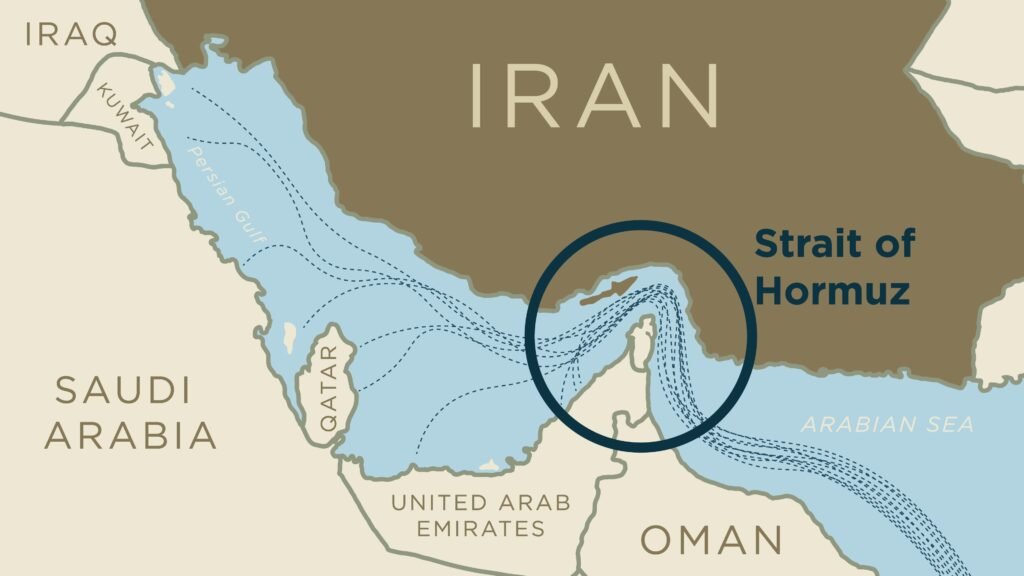
Since 2 March 2026, the Strait of Hormuz has been in effective closure following the outbreak of conflict between the United States, Israel, and Iran. Traffic through the strait — which normally handles roughly 20% of the world’s daily oil and LNG — has collapsed by approximately 90%. Over 150 vessels are anchored outside the waterway. Maersk and Hapag-Lloyd have suspended Middle East routes. Insurance for strait transit has been withdrawn. This is not a temporary disruption. It is the largest shock to global energy supply since the 1970s oil embargo — and its effects are now transmitting directly into your cost base.
Why packaging costs are rising — and what is driving them
Polypropylene resin — the raw material from which woven PP sacks, BOPP laminated bags, and FIBC bulk bags are made — is manufactured from propylene, which is derived from naphtha, which is cracked from crude oil. When oil prices move sharply upward, resin prices follow. Crude oil has surpassed $100 per barrel for the first time in four years, with some benchmarks hitting $126. Gulf PP resin suppliers — the primary source for manufacturers like Adpack — have suspended offers or repriced sharply as shipment routes are severed. This is a direct, structural increase in raw material cost. It is not speculative. It is already in the market.
Simultaneously, approximately 85% of polyethylene and polypropylene exports from the Middle East route through Hormuz. Alternative origins — India, Southeast Asia, Europe — are available, but freight costs are higher, lead times are longer, and those suppliers are now absorbing redirected global demand. Prices across all origins are moving up together.
| Input / Factor | Direction | Status | Risk |
|---|---|---|---|
| Gulf PP Raffia Resin | ▲ Sharply higher | Offers suspended / repriced | Critical |
| Crude Oil (Brent) | ▲ $100–126 / barrel | Elevated, volatile | Critical |
| Urea / Nitrogen Fertiliser | ▲ ~43% since Feb | Disrupted — Qatar Ras Laffan hit | Critical |
| Kenya Fuel Price (pump) | ▲ ERC review due 14 Mar | Increase expected | High |
| KES / USD Rate | ▼ Depreciation pressure | CBK intervention likely | High |
| Alt-Origin PP (India / SE Asia) | ▲ Moderately higher | Available, extended lead times | High |
The Kenya-specific picture: five compounding pressures
This disruption does not arrive in isolation for Kenyan businesses. It compounds onto an economy that was already managing tight working capital, elevated CBK rates, and a shilling that has been under sustained pressure against the dollar. What follows is how these forces interact — and what they mean for companies further down the value chain.
1 — Packaging prices are going up — immediately
PP resin is the primary cost driver in woven sacks, BOPP laminated bags, and FIBC bulk bags. With Gulf resin offers suspended and alternative origins repriced upward, packaging manufactured now costs materially more than it did in January. This is not a forecast — it is the current buying environment. Quotes issued prior to 28 February should be treated as expired.
2 — Fuel price increase will compound manufacturing and logistics costs
Kenya’s Energy and Petroleum Regulatory Authority reviews pump prices mid-month. With crude above $100 per barrel, a significant upward adjustment on 14 March is expected. This flows directly into extrusion, weaving, printing, and conversion energy costs for manufacturers, and into transport costs for delivery across the country. Every Kenyan business that moves goods pays this cost — the packaging buyer, and their customer.
3 — Working capital requirements have jumped — plan accordingly
When input costs rise 30–40% across raw materials, fuel, and freight simultaneously, the capital required to run the same business at the same volume increases by the same proportion. If your business previously ran on a monthly input budget of KES 10 million, you should now plan for KES 13–14 million to maintain the same throughput. Companies that do not adjust their working capital facilities will find themselves unable to buy forward, forced into smaller spot purchases at the worst prices, and increasingly vulnerable to stock-outs. Review your overdraft and trade finance facilities now — before you need them.
4 — Agricultural buyers face a second-season risk on fertiliser
Approximately one-third of global nitrogen fertiliser trade transits the Strait of Hormuz. Urea prices have already risen approximately 43% since February. Kenya is relatively protected for the current season — most fertiliser arrived and was applied in January and February — so this harvest should be largely intact. However, if the strait remains closed through Q2, the fertiliser that should be procured for the next planting season will either not arrive, arrive late, or arrive at significantly higher prices. Agri-sector buyers of packaging — grain bags, FIBC bags for produce, sacks for milling — should factor the possibility of a smaller or more expensive harvest in the season after this one into their demand planning.
5 — Broader economic slowdown — and the wage-price spiral to watch
Rising costs will translate into consumer price inflation across food, fuel, and basic goods. As the cost of living increases, employees will seek higher wages. Higher wages increase the cost of running any labour-intensive business — manufacturing, logistics, agriculture, FMCG. This second-order effect is the most persistent: it does not reverse when oil prices eventually fall. Businesses should expect general capex activity to soften as companies protect cash. The Government of Kenya will face pressure to support the shilling through CBK intervention and may need to increase borrowing to support the economy — which adds further pressure to interest rates. For businesses planning capital expenditure, the cost of finance is unlikely to improve in the near term.
Our commitment on pricing transparency
Adpack will communicate any pricing adjustments to customers directly and in advance. We do not apply retroactive price changes to confirmed orders. Where we hold committed stock at prior cost, we will honour those commitments. Our sourcing team is actively managing resin procurement across multiple origins to maintain continuity of supply.
The risk of waiting for prices to fall
The Strait of Hormuz has never been closed like this before. There is no historical pattern to tell you when it reopens. Waiting for prices to normalise before placing orders carries real supply risk — not just price risk. If the strait remains closed through April, resin offer volumes from alternative origins will tighten further as global buyers compete for the same supply. The time to plan is now, while stock and production capacity are still available.
Market Outlook
The Strait of Hormuz closure is now in its second week with no confirmed reopening timeline. Oil above $100, resin offers suspended from Gulf origins, a Kenya fuel price review due 14 March, and working capital pressure across the supply chain — the cost environment will remain elevated for as long as the disruption continues. Kenya’s agri sector is protected for this harvest, but the next season’s fertiliser procurement window is now at risk. Plan your packaging requirements for Q2 and Q3 before your forward options narrow.
Let’s Plan Your Next 90 Days Together
If you have questions about your current orders, upcoming requirements, or the market situation — reach out to our team directly.
✉ info@adpacklimited.com
🌐 adpacklimited.com
Sources: CNBC, “How Strait of Hormuz closure can become tipping point for global economy” (11 March 2026); CSIS, “No One, Not Even Beijing, Is Getting Through the Strait of Hormuz” (9 March 2026); NPR, “Iran war leads to historic closing of the Strait of Hormuz” (11 March 2026); Bloomberg, “Strait of Hormuz Remains Closed to Most Ships Not Linked to Iran” (10 March 2026); Wikipedia, “2026 Strait of Hormuz crisis” (March 2026).
This is Part 1 of a two-part series. Part 2 — The Wider Kenya Economy: Remittances, tourism, the government’s fiscal squeeze, pharmaceutical supply chains, and why your customers’ ability to pay is also under pressure.